Best Trees to Plant in Bee Cave and the Hill Country
Native species that handle drought, thin soil, and full Texas sun.
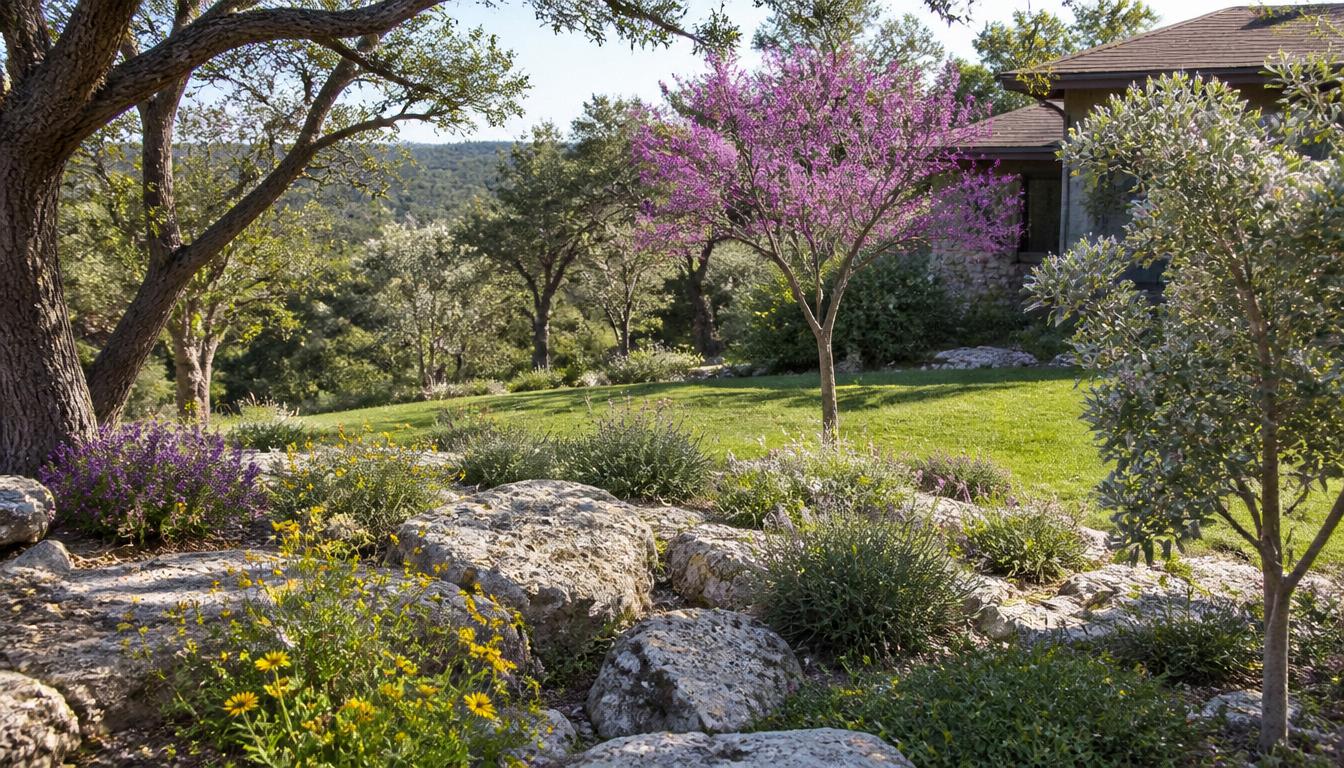
Planting a tree in Bee Cave isn't as simple as picking the prettiest one at the nursery. The Hill Country's thin, rocky soil, sudden temperature swings, and long dry spells mean some trees thrive while others struggle. The good news? Texas natives are built for exactly these conditions.
At Dripping Springs Tree Service, we help homeowners across Bee Cave, Lakeway, and Lake Travis choose trees that look great, support local wildlife, and don't demand constant watering. Here are our top picks for Hill Country yards.
Live Oak (Quercus virginiana)
If you want shade and staying power, live oak is hard to beat. It's evergreen, drought-tolerant once established, and handles our thin limestone soil better than most large shade trees. Just give it room — mature live oaks are wide and magnificent.
Texas Redbud (Cercis canadensis var. texensis)
For early spring color, plant a Texas redbud. Its pink-purple blooms arrive before the leaves, and it's compact enough for smaller Bee Cave lots. It prefers well-drained soil and full sun to partial shade.
Texas Mountain Laurel (Sophora secundiflora)
This slow-growing evergreen shrub or small tree produces stunning purple flower clusters in spring and a signature grape-soda fragrance. It's extremely drought-tolerant and perfect for rocky Hill Country landscapes.
Cedar Elm (Ulmus crassifolia)
Cedar elm is one of the most underrated native trees. It tolerates poor soil, drought, and flooding, grows quickly, and provides excellent fall color. It's a great alternative to problematic invasive species.
Mexican Plum (Prunus mexicana)
Want spring blooms and wildlife value? Mexican plum produces fragrant white flowers in early spring and small plums that birds love. It's a small tree that fits well in residential yards around Bee Cave and Lake Travis.
Anacua (Ehretia anacua)
Also called sandpaper tree, anacua is a South Texas native that handles heat and drought beautifully. It has rough leaves and clusters of small white flowers, making it a unique choice for Hill Country gardens.
Planting Tips for Bee Cave Soil
- Dig the hole twice as wide as the root ball, but no deeper.
- Don't amend the backfill too heavily — native soil helps roots adapt.
- Water deeply and infrequently to encourage deep roots.
- Mulch 2–3 inches deep, keeping it away from the trunk.
Trees to Avoid in the Hill Country
Fast-growing, water-hungry trees like silver maple, Bradford pear, and Leyland cypress often fail in our climate. They also break easily in storms and can become expensive removal jobs.
Need Help Choosing or Planting a Tree?
Whether you're starting from scratch or replacing a tree we removed, Dripping Springs Tree Service can recommend the right species for your Bee Cave property and plant it with the long-term health in mind.
Call (512) 348-7920 or [request a free estimate](/contact) and let's get your Hill Country landscape growing.